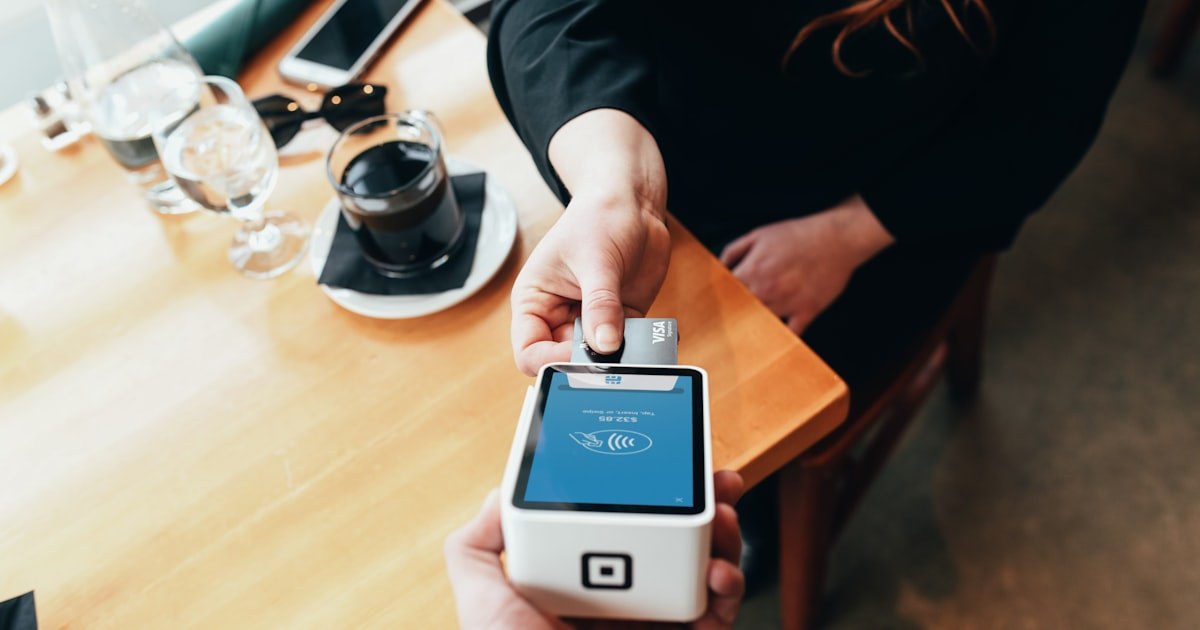
A card with no foreign transaction fee only stays fee-free if you press the right button at checkout. At almost every card terminal and ATM overseas, a screen asks whether you want to pay in US dollars or the local currency. Choosing dollars locks in an exchange rate set by the merchant’s payment processor, not your card network, and that rate typically runs 3% to 4% worse than what your card would have given you automatically. That’s dynamic currency conversion, and it quietly cancels out the entire point of carrying a no-foreign-transaction-fee card.
The fix is one line, repeated at every swipe: choose the local currency, never US dollars, at any foreign terminal, ATM, or online checkout that offers you a choice. Do this even when the terminal defaults to USD, even when a cashier says paying in dollars is easier, and even when the dollar total looks like a clean, round number. That roundness is often the tell: DCC providers pad the converted total to bury their markup inside it.
How dynamic currency conversion actually works
Your no-FTF card already handles currency conversion for you, at close to the wholesale rate set by Visa, Mastercard, or American Express’s own network, with no added fee. DCC intercepts that process at the point of sale. A separate currency-conversion company, one the merchant’s bank has partnered with, converts the charge to USD right there on the terminal, using its own exchange rate, before your card network ever touches the transaction.
Paying in dollars does not save you from a fee. It swaps your card’s exchange rate for the DCC provider’s exchange rate, and the DCC provider’s rate is worse every time. That’s the entire business model: card network rules require the option to be disclosed and require you to be allowed to decline it, but they don’t require the rate to be fair.
There’s also a reason cashiers push the dollar option so often: the merchant, or the merchant’s payment processor, earns a commission on every transaction that runs through DCC. The markup you pay is split between the DCC provider and whoever is standing at the register asking you to accept it. That’s why the dollar total is often presented as the default, the easier choice, or the one with a suspiciously round number, none of that framing reflects what’s actually better for you.
Which card to carry for international spending
Any no-foreign-transaction-fee card protects you here, as long as you make the local-currency choice at the terminal. Among TRC’s affiliate cards, these four all waive the fee entirely:

| Card | Annual Fee | Foreign Transaction Fee | Best For |
|---|---|---|---|
| Chase Sapphire Preferred | $95 | None | Lowest-cost entry into a no-FTF travel card |
| Chase Sapphire Reserve | $795 | None | Frequent travelers who use the travel credit and lounge access |
| Capital One Venture X | $395 | None | Flat 2x everywhere, including all foreign purchases |
| American Express Platinum | $895 | None | Heavy flyers who also want lounge access and travel credits |
Annual fees above are confirmed current as of each card’s last verification date in TRC’s rate records: Sapphire Preferred June 10, 2026, Sapphire Reserve March 31, 2026, Venture X March 22, 2026, and Platinum July 9, 2026. None of these four charge a foreign transaction fee, so the only thing standing between you and a fair exchange rate on any of them is the button you press at checkout. See our full breakdown of no-foreign-transaction-fee cards and how separate ATM withdrawal fees abroad still apply even when a card waives the FTF.
Where the “pay in dollars” prompt actually shows up
DCC isn’t limited to one kind of transaction. Watch for it in three places:
- Card terminals at checkout: the cashier flips the screen or hands you the reader, and it shows two totals side by side, one in local currency, one in dollars. Select the local currency every time.
- ATMs abroad: before dispensing cash, the machine asks whether you want to “accept the conversion” to dollars at a quoted rate. Decline it and let your card handle the conversion instead. Separately, remember that a cash withdrawal on a credit card, even a no-FTF one, is a cash advance and carries its own fee and immediate interest with no grace period, so a debit card is usually the better tool for foreign cash regardless of DCC.
- Booking sites and apps: a hotel, car rental, or activity site based outside the US may default to showing your total in dollars with a note that you’ll be billed in USD. If the site offers a currency toggle, switch it to the local currency before you pay.
How to protect yourself in the moment
When the prompt appears, the local-currency option is sometimes labeled with the country’s currency code (EUR, GBP, JPY) and the USD option is sometimes pre-highlighted as the default. Don’t take the highlighted option as the recommended one, it’s usually the more expensive one. If a cashier insists dollars are simpler or faster, you can still ask for the local currency; card network rules require merchants to offer the choice and let you decline DCC. If a terminal charges you in dollars with no prompt at all, check your statement afterward. A charge with a conversion rate noticeably worse than that day’s market rate is a sign DCC was applied without a clear choice, and it’s worth disputing with your card issuer.
Bottom Line
Your no-foreign-transaction-fee card already gives you a fair exchange rate automatically, so the only way to lose that benefit is at the terminal. Every time a screen offers to charge you in US dollars, choose the local currency instead, with no exceptions. That single habit, repeated at every swipe and every ATM, protects more of your travel budget than almost any other card perk.
FAQ
Q: Does dynamic currency conversion apply to debit cards too?
A: Yes. DCC shows up on any card transaction abroad, debit or credit, at a terminal or ATM that offers the dollar-conversion choice. The rule is the same either way: choose the local currency.
Q: Is DCC the same thing as my card’s foreign transaction fee?
A: No. A foreign transaction fee, commonly around 3%, is charged by your card issuer on the conversion your card network performs, and the four cards above waive that fee entirely. DCC is a separate markup added by a different company, the merchant’s payment processor’s currency-conversion partner, at the point of sale, and it applies regardless of whether your card charges a foreign transaction fee.
Q: How much does dynamic currency conversion actually cost?
A: The DCC provider’s exchange rate typically runs 3% to 4% worse than your card network’s rate, sometimes more. Accepting DCC on $2,000 of foreign card spending over a trip can cost $60 to $80 more than simply choosing the local currency every time, for zero added benefit in return.
Q: What if the terminal only shows a dollar total with no option to choose?
A: Ask the cashier to run the charge in the local currency, card network rules require merchants to offer that option. If a terminal genuinely gives you no choice, that’s uncommon, review your statement afterward for a conversion rate that looks noticeably worse than the market rate that day, and dispute it with your issuer if so.
Q: Should I use my no-FTF credit card to get cash from a foreign ATM?
A: No. A cash withdrawal on a credit card, even one with no foreign transaction fee, is treated as a cash advance: it carries its own fee and starts accruing interest immediately with no grace period. Use a debit card, ideally one with no foreign ATM fees, for cash abroad, and save your no-FTF credit card for point-of-sale purchases.